

Foenegriek, better known to English speakers as fenugreek, is an herb whose small amber seeds pack a surprising punch in kitchens and medicine cabinets worldwide. This plant from the pea family has been used for thousands of years in cooking and traditional remedies, and today it shows up in everything from Indian curries to modern supplements marketed for blood sugar control and hormonal health.
Whether you’ve spotted “foenegriek” on a European spice label or you’re curious about the fenugreek capsules at your local health shop, this guide breaks down what the plant actually is, how people use it, what science says about its benefits, and when caution is needed. You’ll get practical information on forms, doses, side effects, and who should think twice before adding foenegriek to their routine. Let’s start with the basics.
What Exactly Is Foenegriek?
Foenegriek is simply the Dutch and some European languages’ name for Trigonella foenum-graecum, an annual plant whose seeds smell remarkably like maple syrup thanks to a compound called sotolon. The seeds themselves are small, hard, yellowish-brown cubes, while the plant’s leaves grow in clusters of three and are sometimes eaten fresh or dried. Native to the Eastern Mediterranean, foenegriek now grows widely across India, North Africa, and parts of Southern Europe, where it’s been woven into culinary and medicinal traditions for millennia.
You’ll find foenegriek sold in several forms. Whole seeds, ground powder, dried leaves (called “methi” in India), teas, capsules, and even standardized extracts with brand names like Testofen or Libifem all trace back to this one versatile plant. It’s also marketed as animal feed, particularly for horses, under the label “Foenegriek” in some European countries. Because the herb goes by many names—fenugreek, methi, Greek hay—reading labels carefully helps confirm you’re getting the real thing.
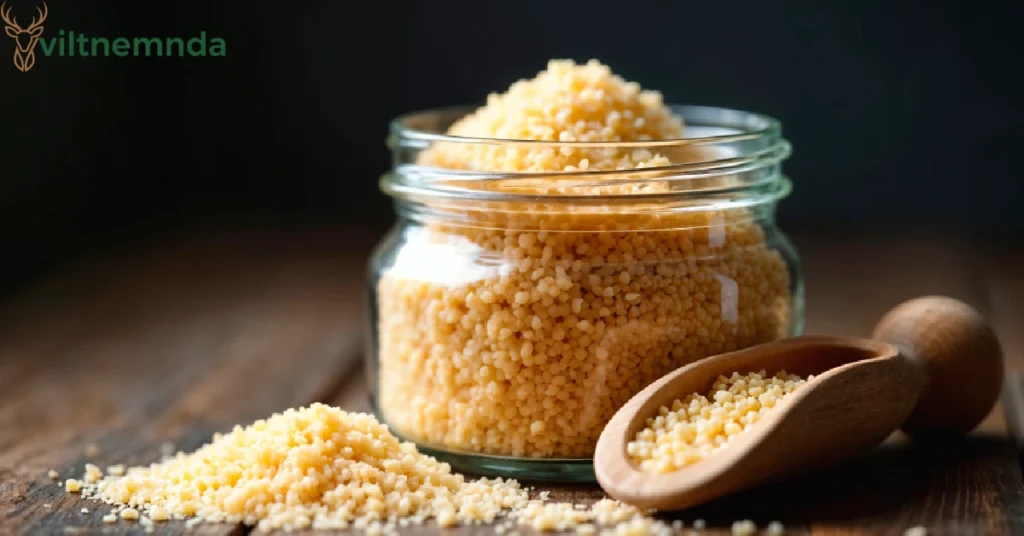
Cooking With Foenegriek
In the kitchen, foenegriek seeds are a staple in Indian, Middle Eastern, and North African cooking. They appear in curry powders, panch phoron spice blends, pickles, lentil stews, flatbreads, and chutneys, bringing a slightly bitter, nutty flavor that mellows and sweetens when toasted. Dried fenugreek leaves add a distinct aroma to sauces and vegetable dishes, though they’re used more sparingly than the seeds.
If you’re new to cooking with foenegriek, start small. A quarter teaspoon of seeds, lightly toasted in a dry pan until fragrant, can be ground and stirred into lentil soups or tomato-based sauces for a warm, earthy note. Because the seeds can taste quite bitter raw, gentle heat and grinding help release their sweetness. At these culinary levels—a pinch here, a teaspoon there—foenegriek is generally safe and adds depth without overwhelming other flavors.
Nutritional Breakdown
Foenegriek seeds aren’t just flavorful; they’re packed with fiber, protein, iron, manganese, and magnesium. They also contain bioactive compounds such as saponins, alkaloids, and flavonoids that researchers believe may influence metabolism, hormones, and inflammation. The high fiber content is one reason foenegriek has been studied for blood sugar control—fiber slows down how quickly your body absorbs glucose from food.
Iron supports healthy red blood cells, while saponins are being investigated for their potential effects on cholesterol and hormone pathways. Alkaloids and other plant chemicals show antioxidant activity in lab tests, though how much of this translates to real health benefits when you eat or supplement with foenegriek is still being worked out. What’s clear is that these seeds offer more than just flavor.
What Does Research Actually Say?
Blood sugar and diabetes: Several studies have found that taking powdered foenegriek seeds or extracts—usually a few grams daily—helped lower fasting blood glucose and HbA1c levels in people with type 2 diabetes when used alongside standard medical care. The fiber and certain compounds appear to slow sugar absorption and improve insulin sensitivity. But it’s important to know this isn’t a cure or replacement for medication, and study quality has been mixed.
Menstrual pain and hormonal symptoms: Controlled trials have shown that women taking fenugreek seed powder experienced less period pain and needed fewer painkillers during their cycles. Early research also suggests standardized extracts may reduce hot flashes and other menopausal discomforts, though larger studies are needed. These effects might stem from foenegriek’s influence on hormone-related pathways.
Sexual function and testosterone: Standardized extracts like Testofen and Libifem have been tested in men and women with low libido, and results showed improved sexual desire and function in some trials. A few studies also noted modest increases in testosterone and small reductions in body fat, usually when combined with resistance training. Yet independent, large-scale research is still limited, so take marketing claims with caution.
Breast milk production: Small studies report that lactating women using fenugreek-based preparations saw increases in breast milk volume. However, the data quality varies widely, and not all women respond the same way. It’s used traditionally as a galactagogue, but scientific backing remains incomplete.
Other proposed uses—like cholesterol reduction, weight loss, skin and hair health—have weaker or conflicting evidence, and major health organizations stress that no firm therapeutic benefits are conclusively proven yet.
Side Effects and Safety
At the small amounts used in cooking, foenegriek is generally safe for most adults. But when taken as supplements in larger doses, side effects can crop up. The most common complaints are digestive: diarrhea, gas, bloating, stomach cramps, and nausea. Many people also notice a sweet, maple-syrup-like smell in their sweat or urine, which is harmless but surprising if you’re not expecting it.
Allergic reactions have been reported, including respiratory symptoms and, rarely, severe responses in people sensitive to legumes or peanuts. High doses in animal studies and case reports have raised concerns about blood sugar drops (hypoglycemia), potential effects on fertility, liver changes, and pregnancy risks, though these are mainly tied to excessive supplemental intake. Pregnant women are usually advised to avoid foenegriek supplements due to these uncertainties.
Typical Doses
How much foenegriek you take depends entirely on why you’re using it. In recipes, you might use anywhere from a pinch to a teaspoon of ground seeds. For supplements, clinical studies have tested a wide range: roughly 5 to 25 grams of seed powder daily for blood sugar management, 300 to 600 milligrams of standardized extract for testosterone-related goals, and 1 to 6 grams for breast milk support.
Because there’s no universally agreed “right” dose and individual responses vary, health experts recommend following product labels and consulting a healthcare professional before starting supplements. Starting low and observing how your body reacts is always smarter than diving in with high doses.
Who Needs to Be Careful?
Some people should check with a doctor before using foenegriek supplements. If you have diabetes or take medication that lowers blood sugar, combining it with fenugreek could push your glucose too low. Those on blood thinners or antiplatelet drugs need to be cautious too, since foenegriek may affect clotting.
Anyone with legume or peanut allergies should proceed carefully due to possible cross-reactions. Pregnant women are generally advised to skip fenugreek supplements because safety data is lacking and animal studies have flagged potential risks. For children, there’s limited information on long-term high-dose use, so it’s best to stick to normal food quantities.
Choosing and Using Products Wisely
When shopping for foenegriek supplements, read labels carefully. Look for standardized extracts if you want consistent amounts of active compounds, and check whether the product is pure fenugreek or part of a blend. Third-party testing seals can offer extra confidence in quality, though they’re not always present.
Start with lower doses or culinary forms and watch for digestive upset or allergic signs. If you notice anything concerning, stop and seek advice. And always talk to a healthcare provider if you’re on prescription medications, pregnant, breastfeeding, or managing chronic conditions. Foenegriek products are even sold for animals, especially horses, to support digestion and coat quality, but those should follow veterinary guidance.
Conclusion
Foenegriek is a time-tested herb that brings unique flavor to food and shows promise in areas like blood sugar control, menstrual comfort, sexual function, and lactation support. Yet the evidence isn’t rock-solid for every claim, and side effects—mainly digestive trouble, low blood sugar risk, and allergic reactions—mean it’s not suitable for everyone. Small culinary amounts are generally fine for most people, but if you’re considering supplements for specific health goals, talk to a qualified professional first. That way, you can make an informed choice based on your own health picture and the current science.

Other Articles

Nionenad: Modern Term for Digital Identity & Creativity
هنتاوي.com: Arabic Anime Platform Guide

No Comment! Be the first one.