PPVLand: The Cheap Sports Streaming Alternative Explained


Honor Criswick: The Met Office Meteorologist on Your TV Screen
Can one group really change the world? For Norway’s wildlife and nature, the answer is yes. It’s thanks to Viltnemnda, the country’s wildlife management team.
Viltnemnda works hard to keep Norway’s nature safe. It focuses on saving the country’s wildlife and their homes. This helps keep the ecosystem in balance.

Viltnemnda is key to keeping Norway beautiful for the future. It uses smart ways to protect the land and all the plants and animals living there.
Understanding Viltnemnda: Norway’s Wildlife Management Authority
Viltnemnda leads Norway’s efforts to manage and protect wildlife. It is key in setting wildlife policy and enforcing hunting rules.
Definition and Core Mission
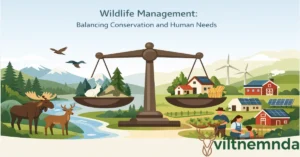
Viltnemnda aims to manage Norway’s wildlife sustainably. It balances the needs of hunters, conservationists, and local communities.
Legal Foundation and Mandate
Norwegian law gives Viltnemnda the power to manage wildlife. It sets hunting limits and controls wildlife numbers.
Environmental Protection Goals
Viltnemnda works to keep wildlife and ecosystems healthy. It uses monitoring and adaptive management to achieve this.
Historical Development of Wildlife Management in Norway
Norway’s wildlife management has changed a lot over time. It moved from old ways to a modern, science-based system.
Evolution from Traditional Practices to Modern Governance
Viltnemnda has played a big role in this change. It helped move hunting to a more scientific and effective approach.
Key Legislative Milestones
Important laws have shaped Viltnemnda’s role. These include conservation, hunting, and environmental laws.
Organizational Structure and Governance
Understanding Viltnemnda’s structure is key to knowing how Norway manages its wildlife. Viltnemnda, Norway’s wildlife management authority, has a complex system. It aims to balance conservation with sustainable use.
National, Regional, and Local Committees
Viltnemnda has national, regional, and local committees. Each plays a crucial role in wildlife management. They decide on hunting quotas, conservation, and habitat management.
Appointment Process and Representation
The appointment process involves choosing representatives from various groups. This includes hunting organizations, conservation groups, and local communities. This ensures different interests are considered.
Decision-Making Hierarchy
Decisions in Viltnemnda follow a clear hierarchy. National committees set overall policies. Regional committees adapt these to local needs. Local committees then implement them. This structure ensures both consistency and flexibility.
Integration with Norway’s Environmental Governance Framework
Viltnemnda is closely tied to Norway’s environmental governance. This is vital for effective wildlife management.
Relationship with Ministry of Climate and Environment
Viltnemnda works closely with the Ministry of Climate and Environment. They ensure wildlife management policies match national environmental goals. This teamwork is key to preserving Norway’s biodiversity.
Coordination with Other Wildlife Agencies
Viltnemnda also works with other wildlife agencies and organizations. This includes both domestic and international groups. They share best practices and tackle wildlife management issues across borders.
Core Functions of Viltnemnda
Viltnemnda plays a key role in keeping Norway’s ecosystems in balance. It handles wildlife monitoring, sets hunting limits, and plans for conservation.
Wildlife Population Monitoring and Assessment
Good wildlife management starts with knowing the population numbers. Viltnemnda uses different methods to count and track wildlife.
Census Methodologies
They use ground counts, flyovers, and camera traps. Each method gives important info on wildlife numbers and where they are.
Population Trend Analysis
Viltnemnda looks at how wildlife populations change over time. This helps them know where to focus conservation efforts.
Hunting Quota Determinations
Viltnemnda sets hunting limits based on science. These limits help make sure hunting is done in a way that’s good for wildlife.
Scientific Basis for Quotas
The limits are set with data from monitoring and understanding the species’ role in nature.
Regional Variations in Management Approaches
Management plans differ by area. This is because each region has its own unique ecosystems and wildlife.
Conservation Planning and Implementation
Viltnemnda creates and carries out plans to protect important habitats and species.
Habitat Protection Initiatives
They start protected areas and fix damaged habitats. This helps keep ecosystems healthy.
Species Recovery Programs
They have special programs to help endangered species grow back.
| Conservation Activity | Description | Outcome |
|---|---|---|
| Habitat Restoration | Restoration of degraded habitats to support biodiversity | Improved ecosystem health |
| Species Monitoring | Ongoing monitoring of species populations and trends | Informed management decisions |
| Protected Areas | Establishment of areas protected from human impact | Preservation of critical habitats |
Norway’s Hunting Regulation System
Norway’s hunting rules are designed to keep wildlife and hunting traditions in balance. This system helps maintain ecological balance and ensures wildlife populations stay healthy.
Types of Hunting Licenses and Permits
Norway has different hunting licenses and permits for various needs. The main difference is between licenses for residents and non-residents.
Resident vs. Non-resident Requirements
Residents need a valid hunting license, which is good for a set time. Non-residents also need a license, but the rules and costs might be different.
Species-Specific Permissions
Some species need special permissions or quotas. For example, hunting big carnivores like bears or wolves requires extra permits and rules.
Application Process and Eligibility Criteria
Getting a hunting license involves several steps, including training and certification.
Training and Certification Requirements
Hunters must take training on hunting laws, ethics, and wildlife management. They get certified for a while before needing to renew it.
Ethical Standards and Compliance
Hunters must follow strict ethical rules, like respecting bag limits and not causing animals unnecessary pain. They are checked through reports and other means.
Seasonal Restrictions and Protected Areas
Norway’s hunting rules also include seasonal limits and protected areas.
Hunting Calendar and Regional Variations
The hunting schedule changes by region and species, with certain times open or closed. These changes help match local wildlife and conservation needs.
Sanctuary Designations and Access Limitations
Some areas are protected or sanctuaries, where hunting is limited or banned. Access to these places is controlled to protect sensitive habitats.
By following these rules, hunters help protect Norway’s wildlife while enjoying their hobby.
Wildlife Species Under Viltnemnda Management
Norway’s wildlife management authority, Viltnemnda, looks after many species. This includes big carnivores and game animals. Keeping these species in balance is key for Norway’s ecosystems.
Iconic Norwegian Large Carnivores
Viltnemnda takes care of big carnivores like brown bears, wolves, lynx, and wolverines. Effective management strategies are vital for their survival.
Brown Bears, Wolves, and Lynx Management
Managing brown bears, wolves, and lynx means watching their numbers and homes. Conservation efforts aim to keep their populations healthy and reduce conflicts with people.
Wolverine Conservation Strategies
Wolverine conservation includes protecting their habitats and monitoring their populations. Viltnemnda works hard to save this species for the future.
Game Animals and Their Ecosystems
Game animals like moose, red deer, and reindeer are also managed by Viltnemnda. Sustainable management practices help keep ecosystems healthy.
Moose, Red Deer, and Reindeer Management
Managing these animals means setting hunting quotas and watching their numbers. This ensures they stay sustainable.
Protected and Endangered Species
Viltnemnda also protects endangered species. Red-listed species protection measures are put in place to save them.
Red-Listed Species Protection Measures
Measures for red-listed species include habitat restoration and population monitoring.
Recovery Programs and Success Stories
Viltnemnda has run successful recovery programs for many species. These programs show the success of conservation efforts.
Balancing Conservation with Cultural Hunting Traditions
In Norway, the mix of cultural hunting and modern conservation is complex. It needs careful management.
Norway’s Historical Connection to Hunting
Norway’s culture is deeply tied to hunting. Hunting has been a vital part of Norwegian culture. It provides food and connects people to the land and their traditions.
Cultural Significance and Rural Traditions
Hunting is more than a hobby in Norway. It’s a key part of rural life. It helps the local economy and brings people together.
Evolution of Hunting Practices
Hunting in Norway has changed over time. It now uses modern tech and management while keeping its cultural value.
Sustainable Wildlife Management Principles
Good wildlife management is key for balancing conservation and hunting. Ecological carrying capacity is important. It helps keep wildlife populations healthy.
Ecological Carrying Capacity Considerations
Managers must look at the environmental impact of wildlife. This prevents overgrazing and damage to habitats.
Adaptive Management Approaches
Being flexible in management is important. It allows for changes based on new information and environmental shifts.
Stakeholder Engagement and Conflict Resolution
It’s important to involve different groups in wildlife management. This includes landowners and the public. It helps solve conflicts and reach agreements.
Landowner Relationships
Good relationships with landowners are crucial. They help with wildlife management by preserving habitats and setting hunting rules.
Public Participation in Decision-Making
Getting public input is important. It makes sure everyone’s views are heard. This leads to better management decisions.

Wildlife Population Control Strategies
Viltnemnda uses a mix of science and management to control wildlife populations. This approach is key to keeping Norway’s ecosystems in balance.
Scientific Methods for Population Assessment
Knowing the size of wildlife populations is crucial for good management. Viltnemnda employs advanced science to track and assess these numbers.
Tracking Technologies and Field Research
GPS collars and camera traps give valuable data on wildlife. Field research adds to this by studying animal behavior and where they live.
Statistical Modeling and Predictive Analysis
Statistical tools help Viltnemnda predict population trends. This allows for smart management decisions, understanding ecosystem interactions and outcomes.
Intervention Approaches for Population Management
After assessing populations, Viltnemnda uses various strategies to manage them.
Targeted Hunting Programs
Targeted hunting is a main part of Viltnemnda’s plan. It aims to keep population sizes in check while ensuring hunted species stay healthy.
Non-lethal Control Methods
Non-lethal methods are also used. These include changing habitats and using deterrents to avoid conflicts with humans.
Habitat Management and Ecosystem Health
Good habitat management is vital for healthy wildlife. Viltnemnda works to keep habitats diverse and resilient.
Forest Management for Wildlife
Forest management is tailored for wildlife. It involves creating corridors and diverse forest structures to support many species.
Predator-Prey Balance Maintenance
Keeping predators and prey in balance is key for ecosystem health. Viltnemnda watches these populations and adjusts strategies as needed.
| Management Strategy | Description | Benefits |
|---|---|---|
| Targeted Hunting Programs | Regulated hunting to control population sizes | Sustainable population management, reduced human-wildlife conflict |
| Non-lethal Control Methods | Habitat modification and deterrents | Reduced human-wildlife conflict, conservation of species |
| Habitat Management | Forest management and habitat corridors | Enhanced biodiversity, ecosystem resilience |
International Collaboration in Wildlife Management
Viltnemnda works with other countries to manage wildlife better. This teamwork is key to solving big conservation problems. It helps keep Norway’s wildlife healthy for the future.
Cross-Border Wildlife Corridor Protection
Viltnemnda teams up with neighbors to protect wildlife paths across borders. These paths are crucial for keeping wildlife healthy and diverse.
Scandinavian Cooperation Initiatives
Viltnemnda joins Scandinavian projects to share knowledge and resources. This helps Nordic countries tackle wildlife management issues together.
Transboundary Population Management
Managing wildlife that moves between countries needs teamwork. Viltnemnda works on projects to track and manage these populations. This ensures everyone is working together to protect wildlife.
Participation in Global Conservation Frameworks
Viltnemnda is part of global conservation efforts. This helps Norway follow the best wildlife management practices worldwide.
CITES Implementation
Viltnemnda helps enforce CITES rules in Norway. This is important for stopping the overuse of endangered species.
Biodiversity Convention Commitments
Viltnemnda supports Norway’s goals under the Convention on Biological Diversity. This includes working to protect and use biodiversity wisely. It also helps make sure everyone benefits fairly from genetic resources.
Knowledge Exchange with International Partners
Viltnemnda exchanges knowledge with other countries. This helps Norway improve its wildlife management and keep up with new conservation ideas.
Research Collaboration Networks
Viltnemnda joins global research networks to learn more about wildlife. These networks help share findings and develop new conservation plans.
Best Practice Sharing
Viltnemnda shares its wildlife management expertise with others. This helps spread effective conservation methods around the world.

Contemporary Challenges for Viltnemnda
Viltnemnda is working hard to protect Norway’s wildlife. It faces many challenges in this mission. These include environmental, social, and economic factors that affect wildlife management.
Climate Change Impacts on Norwegian Wildlife
Climate change is changing ecosystems and where species live in Norway. Shifting species distributions are a big worry. Many species are moving north or to higher places because of the climate.
Shifting Species Distributions
The northward move of species can change who lives where. This can upset the balance in ecosystems.
Phenological Changes and Management Implications
Phenological changes, like earlier breeding or migration, affect wildlife management. These changes might mean conservation strategies and hunting rules need to change.
Human Development Pressures
Human activities, like building cities and roads, cause habitat fragmentation. They also lead to more conflicts between humans and wildlife.
| Pressure | Impact | Management Response |
|---|---|---|
| Urbanization | Habitat loss and fragmentation | Urban planning, wildlife corridors |
| Infrastructure development | Habitat fragmentation, barrier effects | Wildlife-friendly infrastructure design |
Balancing Diverse Public Opinions
Viltnemnda has to deal with different views on wildlife management. This includes urban-rural perspectives and how media shapes public opinion.
Good public education and engagement are key. They help address these challenges. This ensures the success of wildlife management in Norway for the long term.
Technological Innovations in Modern Wildlife Management
Norway is leading the way in wildlife management with new technologies. These advancements help in monitoring, analyzing data, and engaging the public. They are key to better conservation efforts.
Advanced Monitoring and Tracking Systems
Norway’s wildlife management has improved a lot with new tracking systems. These systems collect and analyze data in real-time. This helps in making better decisions.
GPS Collaring and Remote Sensing Applications
GPS collars and remote sensing help track wildlife and check habitat health. This info is crucial for knowing how populations move and what they need.
Citizen Science Platforms and Data Collection
Citizen science projects are also important for data. They let people help monitor wildlife. This gives valuable insights into how wildlife behaves and lives.
Data-Driven Decision Making
Data is at the core of modern wildlife management. It helps make predictions and informed choices. This is thanks to data from many sources.
Predictive Modeling for Population Trends
Predictive modeling forecasts population trends. This lets managers plan ahead. It helps spot problems early.
GIS Applications in Habitat Management
GIS helps manage habitats by analyzing spatial data. It shows how wildlife and their environments interact. This is important for understanding complex relationships.
Digital Platforms for Public Engagement
Digital platforms are making wildlife management more accessible. They let people join in conservation and stay updated. This is great for public involvement.
Online Permit Systems and Reporting Tools
Online systems make applying for wildlife activities easier. Reporting tools help track wildlife populations. This makes management more efficient.
Educational Resources and Transparency Initiatives
Digital platforms offer educational resources. They promote transparency in wildlife management. This builds trust and support for conservation.
Conclusion: The Future of Wildlife Management in Norway
Norway’s wildlife management authority, Viltnemnda, is key in protecting the country’s wildlife. As the norwegian wildlife council, Viltnemnda works to keep Norway’s wildlife populations healthy for the long term.
The future of wildlife management in Norway faces big challenges. These include climate change, human development, and balancing different public opinions. Viltnemnda must keep up with these challenges by using new technology and working with other countries.
To succeed, Viltnemnda needs to work with the community, manage wildlife well, and protect Norway’s nature. Viltnemnda’s focus on science and teamwork will be crucial. This will help keep Norway’s ecosystems healthy and full of life.
FAQ
What is Viltnemnda, and what role does it play in Norway’s wildlife management?
Viltnemnda is Norway’s wildlife management authority. It works to protect the country’s diverse wildlife and landscapes. It shapes wildlife policy, sets hunting rules, and manages animal populations.
How does Viltnemnda determine hunting quotas?
Viltnemnda uses science to set hunting quotas. They count animals and study trends. This ensures hunting is done sustainably and keeps nature in balance.
What types of hunting licenses and permits are available in Norway?
Norway has different hunting licenses and permits. These include ones for residents and non-residents, and specific ones for certain species. The rules for getting these vary.
How does Viltnemnda manage wildlife populations, and what strategies are employed?
Viltnemnda uses many strategies to manage wildlife. This includes controlled hunting, non-lethal methods, and managing habitats. They also do research and use technology to guide their decisions.
What is the role of international collaboration in Viltnemnda’s wildlife management efforts?
Viltnemnda works with other countries on wildlife issues. They protect wildlife corridors, join global conservation efforts, and share knowledge. This helps manage wildlife across borders and tackles global challenges.
How does Viltnemnda address contemporary challenges, such as climate change and human development pressures?
Viltnemnda adjusts its plans to deal with climate change and human impact. They change their strategies to match shifting wildlife and human-wildlife conflicts. They also educate the public about these issues.
What technological innovations are being used in Norway’s wildlife management?
Norway uses new tech in wildlife management. This includes tracking systems, data analysis, and online platforms. These tools help Viltnemnda work better and involve the public.
How can the public participate in Viltnemnda’s decision-making processes?
The public can get involved in Viltnemnda’s decisions. They can attend hearings, use online platforms, and join meetings. Viltnemnda also shares information and resources to keep the public informed.